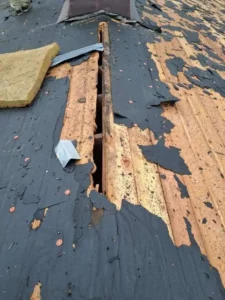

Roofing contractors are professionals who specialize in the installation, repair, and maintenance of roofs. They are skilled in ensuring the structural integrity and weatherproofing of roofs to protect homes and buildings from external elements.
With their expertise, they provide quality craftsmanship and reliable solutions for all roofing needs. Whether it’s a residential or commercial project, roofing contractors are equipped to handle any type of roofing system, including asphalt shingles, metal, tile, or flat roofs.
They deliver efficient and durable roofing solutions that enhance the aesthetic appeal and value of properties. Hiring a reputable roofing contractor is crucial to ensure the safety and longevity of your roof.
The Importance Of Hiring Professional Roofing Contractors
When it comes to your home or business, the roof is one of the most crucial components. It protects you, your loved ones, and your possessions from the elements. Therefore, when it comes time to repair or replace your roof, it is essential to hire professional roofing contractors. Hiring professionals ensures that the job is done correctly, safely, and efficiently, ultimately saving you time and money in the long run.
Ensuring Quality Workmanship
Professional roofing contractors have the expertise and experience required to deliver high-quality workmanship. They are well-versed in various roofing materials, installation techniques, and industry best practices. By hiring professionals, you can rest assured that your roof will be installed or repaired to the highest standards, guaranteeing its longevity and durability.
Ensuring Safety and Compliance
Safety is paramount when it comes to any roofing project. Professional roofing contractors prioritize safety and adhere to all relevant safety regulations and guidelines. They are equipped with the necessary tools, equipment, and training to carry out the job safely, minimizing the risk of accidents. Moreover, they are well-versed in building codes and regulations, ensuring that your roof installation or repair is in compliance with all legal requirements.
Maximizing Efficiency and Cost-effectiveness
Hiring professional roofing contractors can help maximize efficiency and cost-effectiveness. They possess the knowledge and expertise to complete the job within the specified timeframe, minimizing disruptions to your daily routine. Additionally, they have access to high-quality materials at competitive prices, ensuring that you get the best value for your money. By entrusting your roofing project to professionals, you can save both time and money, as they will get the job done right the first time, eliminating the need for costly rework or repairs.
Factors To Consider When Choosing A Roofing Contractor
Choosing the right roofing contractor is a crucial decision that can significantly impact the longevity and quality of your roof. To ensure that you make an informed choice, it is important to consider several key factors. From reputation and experience to licensure and insurance, each aspect plays a vital role in determining the reliability and capability of the contractor. By thoroughly assessing these factors, you can confidently hire a roofing contractor who will deliver exceptional results.
Reputation and Experience
A roofing contractor’s reputation and experience are two primary indicators of their expertise and reliability. When searching for a contractor, it is essential to look for those with a strong reputation in the industry. A reputable contractor has a track record of consistently delivering exceptional results and impeccable customer service. Well-established contractors often have a wealth of experience, which translates into in-depth knowledge of various roofing materials, installation techniques, and problem-solving skills.
When considering a roofing contractor’s reputation, be sure to:
- Read online reviews and testimonials from previous clients
- Check the contractor’s rating with the Better Business Bureau (BBB) or other relevant organizations
- Seek recommendations from friends, family, or neighbors who have recently had their roofs repaired or replaced
Prioritize contractors who have a proven track record of customer satisfaction and positive feedback.
Licensure and Insurance
Another crucial factor to consider when selecting a roofing contractor is their licensure and insurance. It is paramount to hire a licensed contractor as it ensures they have met the necessary requirements and regulations set by local authorities. A valid license demonstrates the contractor’s professionalism and adherence to industry standards. Additionally, hiring a licensed contractor enables you to seek recourse in case of any issues or disputes.
Insurance is equally important when evaluating a roofing contractor. Adequate insurance coverage protects you from any liabilities that may arise due to accidents or damages that occur during the roofing project. Always ask contractors for proof of insurance and verify the coverage with their insurance provider to ensure you are fully protected.
Portfolio and References
Reviewing a roofing contractor’s portfolio and references provides valuable insights into their workmanship and capability. A comprehensive portfolio showcases their past projects, highlighting the variety of roofing materials, designs, and styles they have worked with. It allows you to assess their expertise in handling specific roofing needs, whether it’s residential or commercial properties.
When evaluating a contractor’s portfolio, consider:
- The quality of their workmanship demonstrated in the portfolio
- The diversity of roofing projects they have undertaken
- The ability to handle projects similar to your own requirements
In addition to the portfolio, references from previous clients offer valuable insights into the contractor’s reliability and professionalism. Ask the contractor for references and contact their past clients to inquire about their experience working with the contractor. Their feedback can provide you with a clear understanding of the contractor’s communication, timeliness, and overall satisfaction with the completed job.
By carefully considering these factors, you can confidently choose a roofing contractor who possesses a strong reputation, ample experience, proper licensure, and insurance, as well as an impressive portfolio and positive references. This diligent selection process will not only give you peace of mind but will also ensure that your roof receives the best possible care and maintenance, providing protection and security for years to come.
Services Offered By Roofing Contractors
When it comes to maintaining the integrity and longevity of your home’s roof, hiring a professional roofing contractor is essential. These experts offer a wide range of services to ensure that your roof remains functional and aesthetically pleasing. From inspections and repairs to installations and material consultations, roofing contractors have the knowledge and expertise to handle all your roofing needs.
Roof Inspection and Assessment
Regular roof inspections are crucial in identifying potential issues and preventing costly repairs down the line. A roofing contractor will conduct a thorough assessment of your roof, checking for signs of damage, leaks, or wear and tear. This inspection includes examining the shingles, flashing, gutters, and overall structural integrity of the roof. By detecting problems early on, contractors can recommend the appropriate repairs or maintenance required to keep your roof in optimal condition.
Roof Repair and Maintenance
From minor leaks to major damages caused by inclement weather, roofing contractors are equipped to handle a variety of repair needs. They have the necessary tools, materials, and expertise to fix leaks, replace damaged shingles, repair flashing, and address any other issues affecting your roof’s functionality. Additionally, contractors can provide routine maintenance services, such as gutter cleaning and debris removal, that help prolong the life of your roof and prevent future damage.
Roof Installation and Replacement
Whether you need a brand-new roof for a newly constructed home or it’s time to replace your old, worn-out roof, roofing contractors can handle the installation process from start to finish. They will carefully remove the existing roof, assess the underlying structure, and install a new roof that meets your specific requirements. With their expertise, contractors ensure that the roof is properly sealed, insulated, and constructed to withstand the elements, providing you with reliable protection for years to come.
Roofing Material Selection and Consultation
Choosing the right roofing material is crucial for the durability, energy efficiency, and aesthetic appeal of your roof. Roofing contractors can guide you through the selection process, providing insights into the pros and cons of different materials, styles, and colors available. Whether you’re interested in asphalt shingles, metal roofing, wood shakes, or tiles, contractors can offer professional advice tailored to your preferences and budget. With their expertise, you can make an informed decision and ensure that your roofing material aligns with your needs and enhances the overall beauty of your home.
Different Types Of Roofing Systems
Choosing the right roofing system for your home is crucial. It not only protects your property from the elements but also enhances its aesthetic appeal. With numerous options available, it can be overwhelming to make a decision. In this blog post, we’ll explore the different types of roofing systems to help you make an informed choice. Whether you’re looking for durability, affordability, or sustainability, there’s a roofing system that fits your needs.
Asphalt Shingles
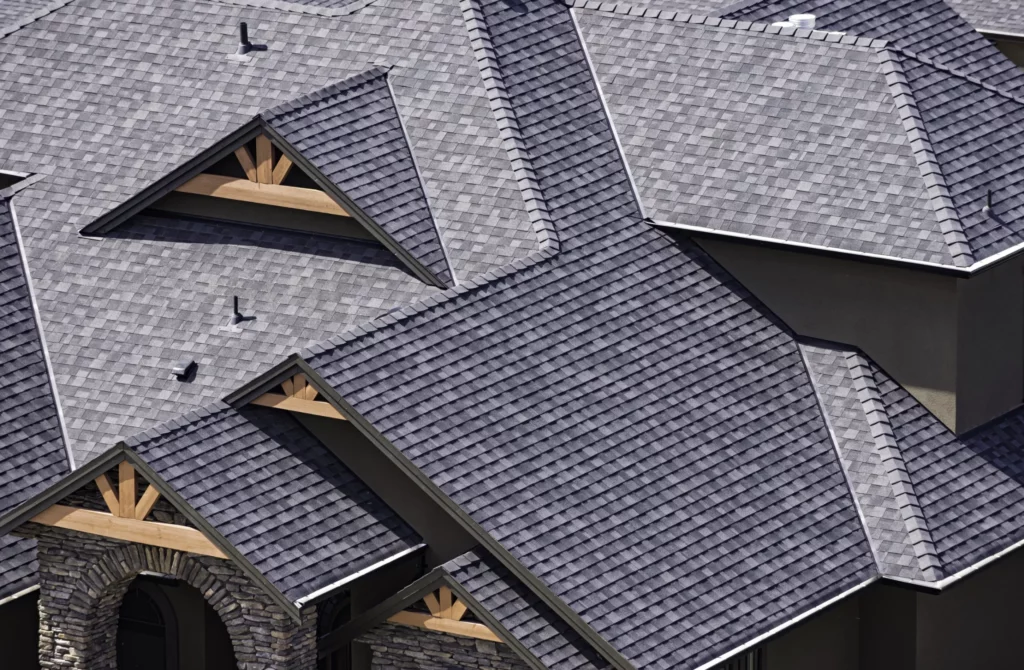
When it comes to popularity, asphalt shingles top the list. These shingles are widely used due to their affordability and ease of installation. They come in various colors and styles, making them suitable for a range of architectural designs. Asphalt shingles are durable and can last for approximately 20 to 30 years. They provide excellent resistance to fire and wind, making them ideal for areas prone to harsh weather conditions.
Metal Roofs
Metal roofs have gained popularity in recent years due to their longevity and energy efficiency. They are available in a wide range of styles, including standing seam, corrugated panels, and metal shingles. Metal roofs are known for their durability and can last for 50 years or more with proper maintenance. They are fire-resistant and offer excellent protection against extreme weather conditions. Additionally, metal roofs reflect solar heat, reducing energy consumption and keeping your home cooler during hot summer months.
Tile and Slate Roofs
For those seeking a classic and elegant look, tile and slate roofs are a perfect choice. These roofing systems have been used for centuries and are renowned for their beauty and durability. Tile roofs are available in clay or concrete options, while slate roofs consist of natural stone. Both options require professional installation due to their weight and specific installation requirements. Tile and slate roofs can last for over 100 years when properly maintained, making them a long-term investment.
Flat Roofs
Flat roofs are commonly found on commercial buildings, but they are also suitable for residential properties. These roofs have a slight pitch or are completely flat, providing a modern and minimalist aesthetic. Flat roofs can be constructed using various materials, including built-up roofing, single-ply membranes, and modified bitumen. They provide additional usable space for rooftop gardens, recreational areas, or solar panel installations. Proper maintenance is essential for flat roofs to prevent water pooling or leakage.
Green Roofs
Green roofs, also known as living roofs, are an eco-friendly option gaining popularity due to their sustainability benefits. These roofs are covered in vegetation, providing numerous environmental advantages. Green roofs offer insulation, reducing energy consumption by providing natural thermal regulation. They improve air quality by trapping pollutants and releasing oxygen. Additionally, green roofs minimize stormwater runoff, helping to reduce the strain on local drainage systems. While green roofs require specialized installation and maintenance, they provide a unique and environmentally conscious roofing solution.
Now that you’re familiar with the different types of roofing systems, take into consideration your budget, climate, and aesthetic preferences when making your decision. Remember, consulting with a professional roofing contractor is advisable to ensure you choose the best roofing system for your specific needs.
The Roofing Contractor’s Role In Energy Efficiency And Sustainability
When it comes to energy efficiency and sustainability, roofing contractors play a crucial role. They are not just responsible for installing and repairing roofs, but also for implementing measures that can improve the energy efficiency of a building. By using energy-efficient roofing materials, implementing cool roofing technologies, and incorporating solar roofing systems, roofing contractors can make a significant impact on reducing energy consumption and promoting sustainability.
Installing Energy-efficient Roofing Materials
One of the key steps roofing contractors take in promoting energy efficiency is by installing energy-efficient roofing materials. These materials are designed to minimize heat absorption and maximize heat reflection, helping to keep the building cooler and reduce the energy used by the cooling systems. By using materials such as reflective roof coatings, radiant barriers, and cool roof systems, roofing contractors can significantly improve the energy performance of a building.
Implementing Cool Roofing Technologies
Cool roofing technologies are specifically designed to reflect more sunlight and absorb less heat than traditional roofing materials. This helps to reduce the urban heat island effect and lowers the cooling load of the building. As roofing contractors, it is important to stay updated with the latest cool roofing technologies and techniques. By implementing these technologies, such as cool roof coatings and reflective roof membranes, roofing contractors can contribute to energy savings and enhance the overall sustainability of the building.
Incorporating Solar Roofing Systems
The incorporation of solar roofing systems has become increasingly popular in recent years. As roofing contractors, we have a vital role in the installation and maintenance of these systems. Solar roofing systems utilize photovoltaic panels to generate electricity from sunlight, reducing reliance on traditional energy sources and decreasing carbon emissions. By helping property owners integrate solar roofing systems seamlessly into their buildings, roofing contractors can contribute to a greener and more sustainable future.
Understand The Roofing Construction Process
Are you planning to replace or repair your roof? Understanding the roofing construction process is crucial to ensure the success and longevity of your roof. From pre-construction planning and preparation to post-construction inspection and maintenance, each step plays a vital role in achieving a durable and reliable roofing system. In this article, we will guide you through the different phases of the roofing construction process, shedding light on the important considerations and decisions involved in each step.
Pre-construction Planning and Preparation
Before any roofing work begins, a comprehensive pre-construction planning and preparation phase is necessary. This step involves careful evaluation and assessment of the current roof condition, identifying any underlying issues that may need to be addressed. Additionally, determining the scope of the project, establishing a budget, and obtaining necessary permits are essential tasks during this phase.
Here’s a breakdown of the pre-construction planning and preparation phase:
- Evaluating the current roof condition and any potential repairs needed
- Conducting a thorough inspection to identify any underlying issues
- Determining the scope of the project and establishing a budget
- Obtaining necessary permits and ensuring compliance with local building codes
Roofing Design and Material Selection
The roofing design and material selection phase is crucial for achieving an aesthetically pleasing and functional roof. During this step, careful consideration is given to factors such as the architectural style of the building, climate, budget, and personal preferences. Choosing the right roofing materials and design will not only enhance the overall appearance of your property but also ensure its durability and energy efficiency.
Consider these key aspects when it comes to roofing design and material selection:
- The architectural style of the building
- Climate and weather conditions
- Budget constraints
- Energy efficiency and sustainability
Roofing Installation and Construction
Once the planning and material selection is complete, it’s time for the actual roofing installation and construction. This phase involves meticulous coordination and execution to ensure the proper installation of the selected roofing materials. Professional roofing contractors will take care of the intricate details, from removing the old roof to installing the new roof system.
Here are the key steps involved in the roofing installation and construction phase:
- Removing the old roof
- Preparing the roof surface
- Installing underlayment and ensuring proper waterproofing
- Securing roofing materials, such as shingles, tiles, or metal panels
- Ensuring proper ventilation and insulation
Post-construction Inspection and Maintenance
After the roofing construction is complete, it’s important to conduct a thorough post-construction inspection to ensure the quality and longevity of the roof. Regular maintenance and inspections are crucial to prevent potential issues and address any issues that may arise promptly. This step will help prolong the lifespan of your roof and minimize the likelihood of costly repairs or replacements in the future.
Here’s what you should focus on during the post-construction inspection and maintenance phase:
- Regular maintenance checks and inspections
- Addressing any identified issues promptly
- Cleaning debris and maintaining roof cleanliness
- Ensuring proper drainage and gutter functionality
Tips For Hiring The Right Roofing Contractor
When it comes to maintaining the integrity of your home, finding the right roofing contractor is crucial. Your roof not only protects your home from the elements but also gives it its overall appearance. Therefore, selecting a reliable and experienced roofing contractor is essential. Here are some tips to help you make the right choice.
Research and Compare Multiple Contractors
Before hiring a roofing contractor, it is important to conduct thorough research and compare multiple options. Look for contractors in your area who specialize in the type of roofing you have or require. Consider factors such as their expertise, experience, and reputation. Reading customer reviews and testimonials can give you valuable insights into their working style and customer satisfaction level.
Once you have shortlisted a few contractors, compare their services, rates, and availability. Avoid rushing into a decision without researching and comparing multiple contractors, as this could lead to subpar workmanship or unnecessary expenses in the long run.
Ask for Written Estimates and Contracts
When hiring a roofing contractor, always ask for written estimates and contracts. This ensures transparency and avoids any miscommunication regarding the scope of work, timeline, and costs involved. The estimate should include detailed information about the materials to be used, labor costs, and any additional charges that may arise during the project.
In addition, a well-drafted contract protects both parties and sets clear expectations. It should outline the project’s timeline, payment structure, warranties, and any specific terms and conditions. Make sure to carefully review the contract before signing and seek clarification for any uncertainties.
Check for Warranty and After-sale Services
Another crucial aspect of hiring a roofing contractor is checking for warranties and after-sale services. A reputable contractor stands by their workmanship and offers warranties on both materials and labor. Be sure to inquire about the duration and coverage of these warranties, as they may vary depending on the contractor and the type of roofing.
Additionally, inquire about the availability of after-sale services. Reliable contractors should be ready to address any concerns or issues that may arise after the completion of the project. Knowing that your contractor will provide support even after the job is done gives you peace of mind and ensures the longevity of your roof.
| Summary of Tips for Hiring the Right Roofing Contractor: |
|
About Roofing Contractors
When it comes to hiring a roofing contractor, many homeowners have a lot of questions. With so many options and factors to consider, it’s understandable that you want to make sure you’re making the right choice. In this article, we’ll answer some of the most frequently asked questions about roofing contractors to help you navigate through the process and ensure a successful roofing project.
What qualifications should I look for in a roofing contractor?
Choosing the right roofing contractor is crucial to the success of your project. You want to ensure that you’re working with a qualified professional who will do the job right. Here are some key qualifications to look for:
- Licensing and insurance: Make sure the roofing contractor is licensed and insured to protect yourself from any liability.
- Experience and expertise: Look for a contractor with a proven track record and experience in the specific type of roofing project you need.
- References and reputation: Check for customer reviews and ask for references to get a sense of the contractor’s reputation and the quality of their work.
- Warranty and guarantees: A reputable contractor should offer warranties and guarantees on their work to give you peace of mind.
How long does a roofing project usually take?
The duration of a roofing project can vary depending on several factors, including the size and complexity of the job, weather conditions, and the availability of materials. On average, a roofing project can take anywhere from a few days to a few weeks. It’s important to discuss the estimated timeline with your roofing contractor before the project begins to set realistic expectations.
What can I expect during a roof repair or installation?
Having a roof repair or installation can be a significant undertaking, but knowing what to expect can help alleviate any concerns. Here’s a breakdown of what you can anticipate during the process:
- Inspection and assessment: The roofing contractor will inspect your roof to identify any issues and determine the best course of action.
- Quotation: You will receive a detailed quote outlining the scope of work, the materials required, and the cost of the project.
- Permits and approvals: The contractor will obtain any necessary permits and ensure compliance with local building codes.
- Preparation: The roofing team will prepare the site, including removing any old materials and ensuring a clean and safe work area.
- Installation or repair: The contractor will carry out the necessary repairs or install the new roof according to the agreed-upon plan.
- Cleanup and final inspection: Once the work is completed, the contractor will clean up the site and perform a final inspection to ensure everything is in order.
- Final walkthrough and warranty: The contractor will walk you through the project, address any concerns, and provide you with the necessary warranties and guarantees.
By knowing what to expect and selecting a qualified roofing contractor, you can ensure a smooth and successful roofing project that will keep your home safe and protected for years to come.
Conclusion
To bring your roofing project to fruition, hiring a professional roofing contractor is essential. With their expertise and knowledge, they can handle any roofing issue or installation with ease. Avoid any further damage and enjoy a sturdy and reliable roof by entrusting your roofing needs to skilled contractors.
Your home deserves the best care and protection, and roofing contractors have the know-how to deliver just that. Reach out to a reputable contractor today and experience the difference they can make for your home.