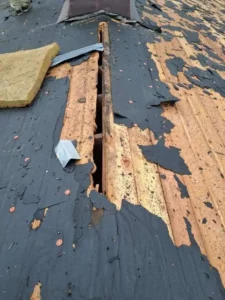

A roof inspection is a thorough examination of your roof system to determine its overall condition and identify any potential issues or damages. It is important to get a roof inspection to ensure the longevity and safety of your roof and to prevent any major damage that may occur over time.
The cost of a roof inspection varies depending on factors such as the size and location of the roof. However, the minimal price of an inspection is well worth it considering the potential expensive expenses of major roof damage. By getting a roof inspection, you can have peace of mind knowing the current condition of your roof and taking the necessary steps to maintain and protect it.

Why Regular Roof Inspections Are Crucial
Regular roof inspections are an essential aspect of homeownership. Taking the time to have your roof inspected periodically can save you significant costs in the long run and ensure the maintenance and longevity of your roof. In this blog post, we will explore the importance of roof inspections for maintenance and longevity, as well as how regular inspections can save homeowners significant costs.
Importance Of Roof Inspections For Maintenance And Longevity
Roof inspections play a vital role in maintaining the overall condition and longevity of your roof. By identifying potential issues early on, you can prevent them from developing into larger, more expensive problems. Here are some key reasons why regular roof inspections are crucial for maintenance and longevity:
- Early detection of damage: Regular inspections allow trained professionals to identify any signs of damage or wear and tear on your roof. By catching these issues early, you can address them before they escalate into more significant problems that require costly repairs.
- Prevention of leaks: A damaged roof leaves your home vulnerable to leaks, which can lead to water damage and deterioration of the overall structure. Regular inspections help identify and address any potential areas of weakness, ensuring that your roof remains watertight.
- Prolonged roof lifespan: By addressing minor issues promptly, you can extend the lifespan of your roof significantly. Regular inspections allow for timely repairs, preventing small problems from becoming major ones that could require a full roof replacement.
- Preservation of property value: A well-maintained roof is not only crucial for the integrity of your home but also for its overall value. Roof inspections help maintain your property’s value by ensuring that any issues are addressed promptly, preventing potential buyers from being deterred by expensive roof repairs.
How Regular Inspections Can Save Homeowners Significant Costs
Investing in regular roof inspections may seem like an additional expense, but it can actually save you significant costs in the long run. Here are a few key ways in which regular inspections can help homeowners save money:
- Preventive repairs: By identifying and addressing issues early, you can avoid costly repairs that can arise from neglecting your roof. Regular inspections allow you to take proactive measures and fix minor problems before they escalate into major and more expensive ones.
- Avoid water damage: Leaks and water damage resulting from a damaged roof can lead to costly repairs not only for the roof but also for other parts of your home, such as walls, ceilings, and electrical systems. Regular inspections help prevent such damage, saving you from potential water-related expenses.
- Extend roof lifespan: By proactively maintaining your roof through regular inspections and necessary repairs, you can extend its lifespan. This means you won’t have to bear the cost of a premature roof replacement, which can be a considerable financial burden.
Regular roof inspections are an investment that pays off in the long term. By identifying and addressing issues early on, homeowners can save significant costs and ensure the longevity of their roofs. Don’t wait for a major problem to occur – prioritize regular roof inspections to protect your investment and maintain the integrity of your home.
Signs Of Roof Damage To Look Out For
Regular roof inspections are crucial in maintaining the longevity and structural integrity of your roof. By spotting signs of roof and hail damage early on, you can address issues promptly and avoid costly repairs down the line. Here are some key signs to look out for during a roof inspection:
Spotting Visible Signs Of Roof Damage
- Missing, cracked, or curled shingles
- Visible signs of wear and tear on the roof surface
- Signs of mold or moss growth
- Loose or sagging gutters
- Exposed or damaged flashing
Spotting these visible signs of roof damage is essential in preventing further deterioration of your roof. If any of these issues are present, it is recommended to contact a professional roof inspector or contractor for a more detailed assessment.
Indications Of Water Leaks Or Moisture-related Issues
- Water stains or discoloration on the ceiling or walls
- Dampness or mold growth in the attic
- Water pooling on the roof surface
- Peeling paint or wallpaper
- Musty odors inside the house
Water leaks and moisture-related issues can cause significant damage to your roof and the overall structure of your home. Identifying these indications during a roof inspection is essential to prevent further water infiltration and potential structural damage.
Regular roof inspections are crucial in maintaining the health and longevity of your roof. By being vigilant and looking out for visible signs of roof damage or hail damaged roof and indications of water leaks or moisture-related issues, you can catch problems early on and ensure timely repairs. If you notice any of these signs during a roof inspection, it is advisable to consult a professional roof inspector or contractor for a thorough assessment and appropriate action.
Diy Roof Inspection Vs. Professional Inspection
A professional roof inspection provides a comprehensive examination of all components, ensuring a thorough assessment of their condition. It includes assessing the structure, materials, drainage, and more. This ensures a precise evaluation to identify any issues or necessary repairs.
In maintaining the integrity of your roof, regular inspections are crucial. However, a common dilemma many homeowners face is whether to perform a DIY roof inspection or hire a professional roofing inspector. Both options have their pros and cons, and understanding them can help you make an informed decision. Let’s take a closer look.
Pros And Cons Of Performing Diy Roof Inspections
| Pros | Cons |
|
|
Benefits Of Hiring A Professional Roofing Inspector
- Expertise and experience: Professional roofing inspectors have the necessary knowledge and expertise to identify even the most minor issues before they escalate.
- Thorough assessment: They will conduct a comprehensive examination of your roof, including the structure, materials, flashing, drainage, and more.
- Accurate diagnosis: Professional inspectors have a trained eye to detect potential problems that may not be obvious to an untrained person.
- Safety precautions: Roofing inspectors are equipped with the necessary safety gear and are trained to navigate roofs safely.
- Detailed Report: A professional roofing inspector will provide you with a detailed report, including photos, highlighting any issues and suggesting appropriate solutions.
While hiring a professional roofing inspector comes at a cost, it offers peace of mind and ensures that any potential problems are identified and addressed promptly.
Whether you choose to perform a DIY roof inspection or hire a professional, regular roof inspection are vital to maintaining the longevity and functionality of your roof. Consider your expertise, safety concerns, and the potential risks of overlooking hidden issues before making a decision.
Key Steps In Conducting A Roof Inspection
Conducting a roof inspection involves a detailed examination of the roof structure, materials, flashing, drainage, and more. It is essential to assess the overall condition and identify any issues that may require repairs or maintenance. A professional roof inspector will provide a thorough report and analysis to ensure the longevity and durability of the roofing system.
Pre-inspection Preparations And Safety Precautions
Before starting a roof inspection, it is essential to take certain preparations and safety precautions to ensure a smooth and safe process. These steps will not only help you stay organized but also protect you from potential hazards.
Here are a few important pre-inspection preparations and safety precautions:
- Gather the necessary tools and equipment, such as a ladder, flashlight, binoculars, and a safety harness.
- Check the weather forecast and plan your inspection on a dry and calm day to avoid slipping or accidents.
- Inform someone about your inspection plans, preferably have a partner or someone to assist you during the process.
- Wear appropriate safety gear, including a hard hat, non-slip shoes, and gloves, to protect yourself from potential injuries.
- Ensure the area around the roof is clear of any obstacles or debris that may hinder your inspection.
Step-by-step Guide To Inspecting Different Components Of A Roof
A comprehensive roof inspection involves examining various components of the roof to identify any potential issues or damage. By following a systematic approach, you can ensure a thorough inspection and address any existing or potential problems.
Here is a step-by-step guide to inspecting different components of a roof:
- Inspect the Roof Structure: Begin by assessing the overall structure of the roof. Look for any signs of sagging, unevenness, or damaged support beams.
- Check for Roofing Materials: Examine the roofing materials, such as shingles, tiles, or metal panels. Look for signs of cracking, curling, missing pieces, or any other visible damage.
- Inspect Flashing and Seals: Pay close attention to the flashing around chimneys, vents, skylights, or any other roof penetrations. Make sure the flashing is intact, properly sealed, and free from corrosion or deterioration.
- Assess Drainage Systems: Inspect the gutters, downspouts, and drainage systems to ensure they are clear from debris and functioning properly. Look for any signs of clogging or damage that may hinder proper water flow.
- Check for Leaks and Water Damage: Look for any visible signs of leaks or water damage on the interior ceilings, walls, or attic spaces. These indicators may suggest underlying roof issues that need immediate attention.
- Address Roof Ventilation: Verify the efficiency of the roof ventilation system. Proper ventilation is crucial to prevent moisture build-up and extend the lifespan of the roof.
- Inspect Chimneys and Skylights: Examine chimneys, skylights, or other roof features. Ensure they are well-sealed, free from cracks, and intact.
- Take Note of Exterior and Surrounding Elements: Assess the condition of surrounding structures, such as chimneys, satellite antennas, or trees that may pose a threat to the roof’s integrity. Additionally, inspect the condition of the roof’s exterior, including the ridge line and slopes.
In conclusion, conducting a proper roof inspection requires thorough preparation, attention to detail, and adherence to safety measures. Following the key steps outlined above will help you identify any existing or potential issues with your roof, allowing you to take timely action to maintain its integrity and prolong its lifespan.
Understanding Different Types Of Roofing Materials
It is important to understand the different types of roofing materials when conducting a roof inspection. The inspection will involve a thorough examination of the roof structure, materials, flashing, drainage, and more. Prices for inspections may vary depending on the size and location of the roof.
Understanding the different types of roofing materials is crucial. The type of material used on a roof can significantly affect its inspection and maintenance requirements. It is important to identify the common types of roofing materials to ensure a thorough and accurate examination. Let’s dive into the various roofing materials and their impact on the inspection process.
Identifying Common Types Of Roofing Materials
Roofs can be made of various materials, each with its unique characteristics and maintenance needs. Here are some of the common types of roofing materials:
| Roofing Material | Description |
| Asphalt Shingles | These are the most popular and widely used roofing materials due to their affordability and durability. They come in different styles and colors, making them suitable for various architectural designs. |
| Metal Roofing | Metal roofs are known for their longevity and resistance to fire, wind, and pests. They come in various metal types, such as steel, aluminum, and copper, offering different aesthetic options. |
| Tile Roofing | Tile roofs are popular for their durability and timeless appeal. They are often made of materials like clay or concrete and can last for several decades when properly maintained. |
| Slate Roofing | Slate roofs are known for their elegance and durability. Made from natural stone, they offer excellent waterproofing and can last for over a century with proper care. |
How Material Selection Affects Inspection And Maintenance
The choice of roofing material directly impacts the inspection and maintenance process. Each material has its unique characteristics and requires specific maintenance techniques. Understanding how material selection affects inspection can help in conducting a more effective examination. Here are some key points to consider:
- Inspecting asphalt shingles may involve checking for signs of wear, missing shingles, or granule loss.
- Metal roofs require inspection for signs of corrosion, loose fasteners, or damaged protective coatings.
- Tile roofs may need inspection for cracked or broken tiles, as well as checking the integrity of the underlayment.
- Slate roofs require careful examination for any cracked or missing slates, as well as assessing the condition of flashings.
By understanding the material-specific inspection requirements, homeowners and inspectors can focus on the areas that are most prone to issues. This targeted approach ensures a comprehensive evaluation and enables timely maintenance to prevent further damage.
In conclusion, understanding the different types of roofing materials is essential for a thorough roof inspection. By identifying the common materials and considering their impact on inspection and maintenance, homeowners and inspectors can effectively assess the condition of a roof and address any potential issues. Remember, regular roof inspections and proper maintenance are key to prolonging the life of your roof and ensuring its functionality.
Common Roof Issues And Their Causes
A roof inspection is an essential step in maintaining the integrity of your roofing system. Professional inspectors thoroughly examine all components of the roof, including structure, materials, flashing, and drainage, to identify any potential issues and their causes. Trusting the experts ensures that your roof remains in good condition and can prevent costly repairs in the future.
Overview Of Common Roof Issues
A well-maintained roof is essential for the protection and structural integrity of any building. However, over time, various issues can arise that compromise the performance of the roof. Two common roof issues that homeowners often encounter are leaks and missing shingles.
Leaks
Roof leaks can be a homeowner’s worst nightmare. They not only cause damage to the interior of the building but also promote the growth of mold and mildew, leading to potential health hazards. Leaks can occur due to a variety of reasons, such as:
- Poorly installed or damaged flashing around roof penetrations
- Cracked or worn-out seals around vents and chimneys
- Broken or missing shingles
- Clogged or damaged gutters and downspouts
Missing Shingles
Missing shingles are another common roof issue that homeowners should be aware of. These can be caused by:
- Strong winds or severe storms that lift or remove the shingles
- Improper installation of the shingles
- Aging and deterioration of the shingles
When shingles go missing, it exposes the underlying roof structure to the elements, increasing the risk of leaks and structural damage.
It’s essential to address these roof issues promptly to prevent further damage to the roof and the rest of the building. Regular roof inspections can help identify these issues early on, allowing for timely repairs and maintenance.
Importance Of Regular Roof Maintenance
Regular roof maintenance is crucial for protecting your investment. A professional roof inspection will assess the condition of your roof, identifying any issues such as leaks, wear and tear, or damage from debris. By addressing these problems early on, you can prevent costly repairs in the future and extend the lifespan of your roof.
The Role Of Ongoing Maintenance In Preventing Major Roof Problems
Regular maintenance plays a crucial role in preventing major roof problems. By undertaking ongoing maintenance, homeowners can identify and address potential issues early on, ultimately saving time, money, and effort in the long run. Here are some key reasons why regular roof maintenance is of utmost importance:
- Extended roof lifespan: Regular maintenance helps extend the lifespan of your roof by addressing small issues before they become significant problems. With timely repairs, you can prevent minor leaks from turning into major water damage, ensuring your roof lasts for many years.
- Cost savings: Investing in ongoing roof maintenance may seem like an extra expense; however, it can save you substantial amounts of money in the long term. Addressing minor repairs and maintenance needs promptly can help prevent larger, costlier repairs down the line.
- Preservation of home value: The condition of your roof significantly impacts the overall value of your home. A well-maintained roof enhances the curb appeal and overall aesthetics of your property, making it more attractive to potential buyers. On the other hand, a neglected roof can deter buyers and lower your home’s resale value.
- Protection against severe weather: Regular maintenance ensures that your roof is in optimal condition to withstand harsh weather conditions like storms, heavy rains, and strong winds. By identifying and addressing weak spots, loose shingles, or damaged flashing, you can fortify your roof’s ability to protect your home.
- Prevention of interior damage: A well-maintained roof acts as a barrier against water leaks, preventing water from seeping into your home’s interior. Regular inspections can help identify any potential areas of weakness that may allow water intrusion, thus protecting your home’s interiors from costly damage and mold growth.
Tips For Homeowners To Maintain Their Roof’s Integrity
While professional roof inspections are essential, homeowners can take proactive steps to maintain their roof’s integrity between inspections. Here are a few tips to ensure your roof remains in optimal condition:
- Regularly clean gutters and downspouts: Clearing debris from gutters and downspouts promotes proper water drainage, preventing water from pooling on the roof and causing damage.
- Trim nearby trees: Overhanging branches can scrape against the roof, causing damage to shingles or creating entry points for pests. Regularly trim back trees to keep them at a safe distance from your roof.
- Check for signs of damage: Periodically inspect your roof for signs of damage, such as missing or curled shingles, cracked flashing, or damaged vents. If you notice any issues, address them promptly to prevent further damage.
- Remove moss and algae: Moss and algae can compromise the integrity of your roof. Use a safe cleaning solution and a soft brush or low-pressure washer to remove moss and algae growth.
- Address leaks immediately: If you notice any signs of a leak, such as water stains on ceilings or walls, promptly investigate and address the issue. Leaks can quickly escalate, causing extensive damage if left untreated.
- Ensure proper attic ventilation: Adequate attic ventilation helps regulate temperature and moisture levels, preventing excessive heat buildup and condensation, which can damage the roof. By following these maintenance tips and scheduling regular professional inspections, homeowners can ensure their roof remains in optimal condition, extending its lifespan and protecting their investment for years to come.
Final Thoughts
To ensure the longevity and functionality of your roof, a thorough inspection is crucial. Roof inspections can help identify any potential issues, such as leaks, wear and tear, or damage caused by debris. By conducting regular roof inspections, you can prevent costly roof repairs in the long run.
Whether you’re a homeowner or a business owner, investing in a professional roof inspection is well worth the minimal price. So don’t wait, schedule your roof inspection today and protect your investment.