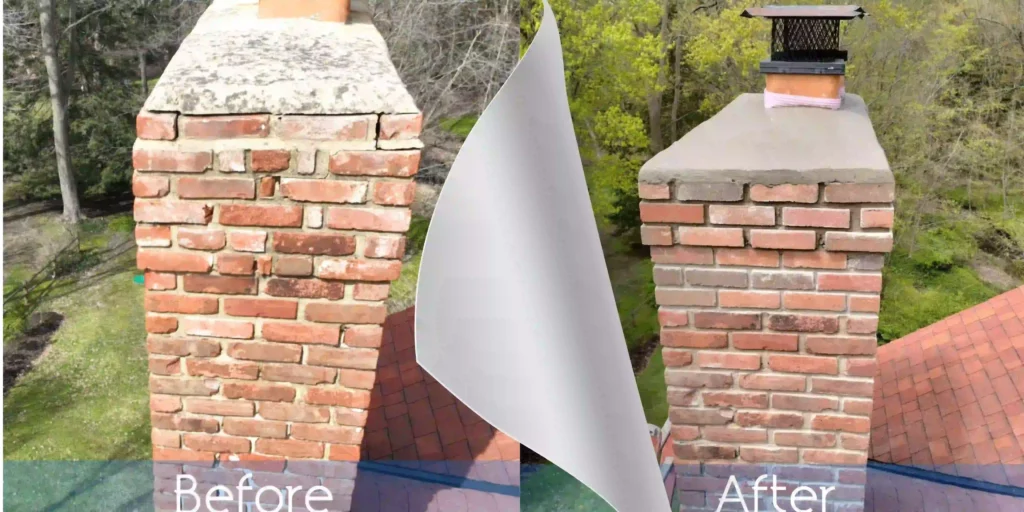
Professional chimney repair services in Indianapolis ensure safety and efficiency. Trust experts for inspections, cleaning, and repairs.
A well-maintained chimney is essential for the safety and efficiency of your home. Indianapolis residents often face various chimney issues, including blockages, cracks, and weather-related damages. Qualified professionals in Indianapolis provide comprehensive services, from routine inspections and cleaning to extensive repairs.
Regular maintenance can prevent costly damages and ensure your chimney operates smoothly. Trusting local experts not only guarantees quality workmanship but also helps in adhering to local building codes. For reliable and prompt chimney repair services in Indianapolis, choosing experienced professionals is crucial. This ensures your chimney remains in top condition, providing a safe environment for your home.
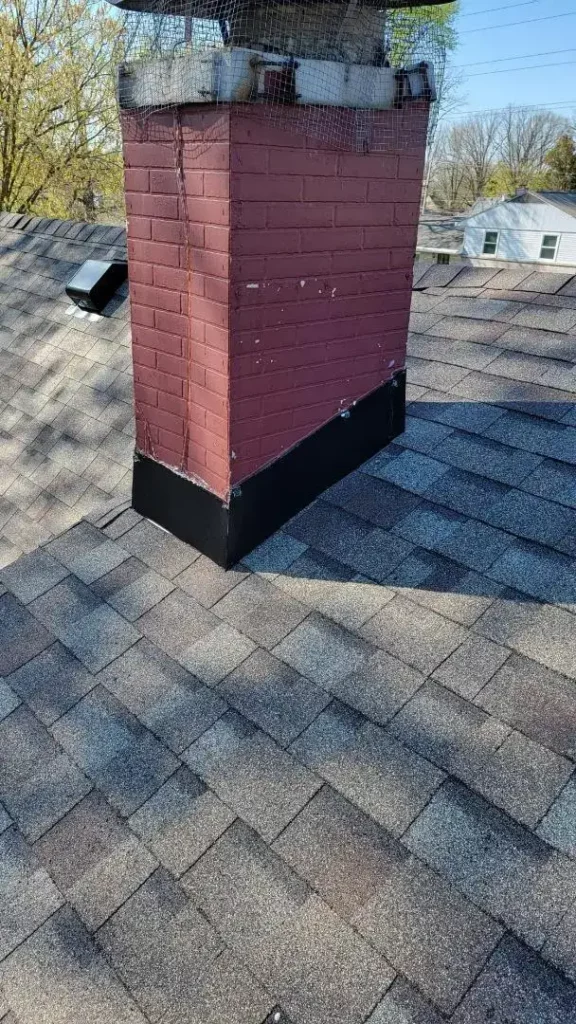
Common Chimney Issues
Chimney Repair in Indianapolis is essential to ensure your home remains safe and warm. Common chimney issues can lead to significant problems if not addressed promptly. Understanding these issues helps you take the necessary steps to maintain your chimney.
Creosote Buildup
Creosote buildup is a frequent problem in many chimneys. Creosote forms when wood burns and leaves a residue on the chimney walls. It is a black or brown substance that can be flaky, tar-like, or shiny and hardened.
Creosote is dangerous because it is highly flammable. A thick layer of creosote increases the risk of chimney fires. Here are some signs of creosote buildup:
- Strong odor from the fireplace
- Soot falling into the fireplace
- Poor draft in the chimney
Regular cleaning can prevent creosote buildup. Professional chimney sweeps use special brushes and vacuums to clean the chimney. It is recommended to have your chimney inspected and cleaned at least once a year.
Cracked Masonry
Cracked masonry is another common issue in chimneys. Cracks in the masonry can occur due to weather conditions, age, or poor construction. These cracks can lead to several problems:
- Water penetration into the chimney
- Structural damage to the chimney
- Reduced efficiency of the fireplace
Signs of cracked masonry include visible cracks, loose bricks, and falling mortar. Repairing cracked masonry involves filling the cracks with mortar or replacing damaged bricks. Timely repairs can prevent more severe damage and extend the life of your chimney.
Chimney Leaks
Chimney leaks are a common problem, especially during rainy seasons. Leaks can occur due to various reasons, including cracked masonry, damaged flashing, or a missing chimney cap. Leaks can cause significant damage to your home:
- Water stains on walls and ceilings
- Mold growth inside the chimney
- Deterioration of the chimney structure
To prevent leaks, ensure that your chimney is well-maintained. Inspect the flashing around the chimney and replace it if damaged. Installing a chimney cap can also help keep water out. Regular inspections can identify potential issues before they become serious problems.
Signs Of Chimney Damage
Keeping your chimney in good condition is crucial for the safety and efficiency of your home in Indianapolis. Recognizing the signs of chimney damage early can prevent major issues. Here are some common signs that your chimney may need repair.
Efflorescence On Masonry
Efflorescence is a white, powdery substance that appears on masonry surfaces. It can be a sign of water damage. This happens when water seeps through the bricks and evaporates, leaving salt deposits behind.
Important indicators include:
- White stains on the chimney exterior
- Crumbled mortar between bricks
- Peeling or flaking masonry surfaces
Efflorescence not only affects the appearance but also indicates that water is penetrating the chimney. This can lead to structural damage over time. Regular inspections and prompt attention can help in addressing the issue.
Dampness In The Fireplace
Dampness inside the fireplace is another sign of chimney damage. Moisture can weaken the chimney structure and lead to mold growth. Look out for the following:
- Wet spots inside the fireplace
- Dripping water during or after rain
- Stains on the walls around the chimney
Moisture can enter through cracks, damaged flashing, or a missing chimney cap. Addressing the root cause is essential for preventing further damage. Professional chimney repair services in Indianapolis can help identify and fix these issues.
Musty Odors
Musty odors coming from the chimney can indicate mold or mildew growth. This often results from moisture buildup. Signs to watch for include:
- Unpleasant smells coming from the fireplace
- Increased allergy symptoms when using the fireplace
- Visible mold in and around the chimney
Musty odors can also suggest poor ventilation. Ensuring the chimney is clean and dry can help eliminate these smells. Regular maintenance and timely repairs can keep your chimney in top condition.
Importance Of Timely Repairs
Chimney Repair in Indianapolis is crucial for maintaining the safety and efficiency of your home. Timely repairs are essential to prevent bigger problems and costly repairs down the road. Ignoring minor issues can lead to severe damage, increased fire hazards, and expensive fixes. Prioritizing chimney repairs ensures your home remains safe and functional.
Preventing Structural Damage
Structural damage to your chimney can compromise your entire home. Small cracks and chips can grow, leading to severe issues. Regular inspections and repairs help maintain the integrity of your chimney.
- Cracks: Minor cracks can expand, causing bricks to loosen and mortar to crumble.
- Water Damage: Moisture can seep into cracks, causing significant structural damage.
- Foundation Issues: A damaged chimney can affect the foundation of your home.
Here’s a table outlining common structural issues and their impacts:
| Issue | Impact |
| Cracks | Weakens structure, leads to bigger cracks |
| Water Damage | Causes rusting, mold, and structural decay |
| Loose Bricks | Can collapse, posing safety risks |
Timely repairs can prevent these issues from escalating. Inspecting your chimney regularly and addressing small problems early can save you from costly repairs and ensure the safety of your home.
Reducing Fire Hazards
A damaged chimney increases the risk of fire in your home. Creosote buildup, cracks, and blockages can all lead to dangerous situations. Ensuring your chimney is in good condition reduces these risks.
- Creosote Buildup: Creosote is a highly flammable substance that can accumulate in your chimney.
- Blockages: Debris and animal nests can block the chimney, causing smoke and gases to enter your home.
- Cracks and Gaps: These can allow heat and sparks to escape, potentially igniting nearby materials.
Regular cleaning and maintenance can reduce fire hazards significantly. Here are some key steps:
- Schedule Inspections: Have a professional inspect your chimney at least once a year.
- Clean Regularly: Remove creosote and debris to prevent blockages and reduce fire risk.
- Repair Cracks: Address any cracks or gaps immediately to prevent heat escape.
Timely repairs keep your chimney safe and functional. By prioritizing maintenance, you can significantly lower the risk of fire and ensure the safety of your home and family.
Diy Chimney Maintenance
Chimney repair in Indianapolis is essential for maintaining the safety and functionality of your home. Performing DIY chimney maintenance can save money and extend the lifespan of your chimney. This guide covers regular inspection and cleaning tips to help you keep your chimney in top shape.
Regular Inspection
Regular inspection of your chimney ensures that any issues are caught early. This can prevent costly repairs in the future. Follow these steps for a thorough inspection:
- Check for cracks: Look for visible cracks in the chimney structure, both inside and outside.
- Examine the chimney cap: Ensure the cap is secure and free from debris.
- Inspect the flue: Use a flashlight to check the flue for obstructions or damage.
- Assess the mortar: Look for crumbling or missing mortar between bricks.
- Check for water damage: Look for signs of water damage or staining on the chimney and surrounding areas.
Performing these checks at least twice a year can help you stay ahead of potential problems. If you notice any severe issues, contact a professional for a detailed inspection.
Cleaning Tips
Keeping your chimney clean is essential for preventing fires and ensuring efficient operation. Here are some tips for effective chimney cleaning:
- Gather your tools: You’ll need a chimney brush, extension rods, a flashlight, and a dust mask.
- Protect the area: Lay down a drop cloth around the fireplace to catch any debris.
- Brush the flue: Using the chimney brush and extension rods, scrub the flue from top to bottom.
- Remove creosote buildup: Pay special attention to removing creosote, a flammable substance that can cause chimney fires.
- Clean the firebox: Sweep out ash and debris from the fireplace to ensure proper airflow.
Regular cleaning, at least once a year, helps maintain chimney efficiency and safety. For stubborn buildup or difficult-to-reach areas, consider hiring a professional chimney sweep.
Professional Chimney Repair Services
Indianapolis homeowners know the importance of a well-maintained chimney. Over time, chimneys can develop cracks, leaks, and other issues. Professional chimney repair services ensure your chimney remains safe and efficient. Expert technicians can diagnose and fix problems quickly, ensuring your home stays warm and secure.
Certifications And Licenses
Hiring a certified and licensed chimney repair service in Indianapolis guarantees quality work. Certified professionals follow industry standards and safety regulations. Here are some certifications to look for:
- CSIA Certification: The Chimney Safety Institute of America certifies technicians who complete rigorous training.
- NFI Certification: The National Fireplace Institute certifies experts in fireplace and chimney services.
- State Licensing: Ensure the company has a valid state license to operate in Indiana.
Licensed professionals ensure the work meets local building codes and safety standards. They carry liability insurance, protecting you from potential damages during repairs. Always ask for proof of certifications and licenses before hiring a chimney repair service.
Repair Process
The chimney repair process involves several steps to ensure thorough and lasting results. Here’s a breakdown of the typical repair process:
- Inspection: Technicians inspect the chimney to identify issues like cracks, leaks, or blockages.
- Cleaning: The chimney is cleaned to remove soot, creosote, and debris, ensuring a clear view of all problems.
- Diagnosis: After cleaning, the technician diagnoses the issues and recommends necessary repairs.
- Repair: Repairs may include fixing cracks, sealing leaks, or replacing damaged bricks and mortar.
- Final Inspection: A final inspection ensures all repairs are completed correctly and the chimney is safe to use.
Timely repairs prevent small issues from becoming major problems. Regular maintenance and inspections can extend the life of your chimney. Trust a professional repair service to keep your chimney in top condition.
Cost Factors For Chimney Repairs
Chimney repair in Indianapolis can vary in cost due to several factors. Understanding these cost factors helps homeowners budget effectively and ensure their chimneys are safe and efficient. This section explores the key elements affecting the cost of chimney repairs in Indianapolis.
Extent Of Damage
The extent of damage significantly impacts the cost of chimney repairs. Minor cracks or small areas of damage typically cost less to fix. Extensive structural damage requires more resources and labor, which increases the cost.
- Minor Repairs: These include small cracks, replacing a few bricks, or minor mortar joint repairs. They usually cost less and can be completed quickly.
- Moderate Repairs: These may involve partial rebuilding, fixing leaks, or installing chimney caps. These repairs are more labor-intensive and materials-demanding.
- Major Repairs: Major structural repairs, such as rebuilding the chimney, require significant time, materials, and expertise. These are the most expensive repairs.
Here’s a quick look at potential costs:
| Type of Repair | Estimated Cost |
| Minor Repairs | $100 – $500 |
| Moderate Repairs | $500 – $2000 |
| Major Repairs | $2000 – $5000+ |
Regular inspections can help identify issues early, preventing extensive damage and keeping repair costs lower.
Materials Used
The materials used in chimney repairs also affect the overall cost. High-quality materials ensure durability but often come at a higher price.
Common materials include:
- Bricks: Standard bricks are affordable, but specialized or antique bricks can be more expensive.
- Mortar: High-quality mortar mixes ensure longevity but may cost more.
- Chimney Liners: Stainless steel liners are durable and cost-effective, while clay tile liners are more traditional and may cost less.
- Flue Caps: These can be made from stainless steel or copper, with varying costs based on the material.
Here’s a cost comparison for some common materials:
| Material | Estimated Cost |
| Standard Bricks | $0.50 – $1.50 per brick |
| Specialized Bricks | $2.00 – $5.00 per brick |
| Stainless Steel Liners | $500 – $1500 |
| Clay Tile Liners | $30 – $100 per tile |
| Flue Caps (Stainless Steel) | $50 – $200 |
| Flue Caps (Copper) | $200 – $500 |
Choosing high-quality materials often results in longer-lasting repairs, potentially saving money in the long run.
Choosing The Right Chimney Repair Company
When your chimney needs repair in Indianapolis, choosing the right company is crucial. A well-maintained chimney ensures safety and efficiency. It’s essential to select a trustworthy service provider. Here are some critical factors to consider.
References And Reviews
Checking references and reviews is vital. Happy customers often leave positive feedback. Look for companies with high ratings and glowing testimonials.
- Visit review sites like Yelp and Google Reviews.
- Read comments about customer service, quality of work, and punctuality.
- Check for repeated complaints and how they were addressed.
Ask for references directly. A reputable company will provide contact information of past clients. Speak to these clients about their experiences.
Here’s a table summarizing where to check reviews:
| Platform | Key Points |
| Yelp | Customer service, overall satisfaction |
| Google Reviews | Quality of work, response time |
| BBB | Complaint resolution, reliability |
A company with excellent references and reviews is more likely to deliver quality service.
Insurance And Warranty
Insurance and warranty are essential. Ensure the company has proper insurance. This protects you from liabilities and accidents during the repair.
Verify the types of insurance they hold:
- General Liability Insurance – Covers property damage and injuries.
- Worker’s Compensation – Protects workers if they get injured.
Ask about warranties on their work. A good company stands by its services. Here are some warranty aspects to consider:
- Duration of the warranty – Typically ranges from one to five years.
- What the warranty covers – Includes repairs, materials, and workmanship.
Here’s a table summarizing insurance and warranty points:
| Aspect | Details |
| General Liability Insurance | Covers property damage and injuries |
| Worker’s Compensation | Protects workers from injury costs |
| Warranty Duration | One to five years |
| Warranty Coverage | Repairs, materials, workmanship |
Choosing a company with proper insurance and a solid warranty ensures peace of mind and long-term satisfaction.
Preventive Measures For Long-term Maintenance
Indianapolis homeowners often face issues with their chimneys due to harsh weather conditions. Preventive measures for long-term maintenance can save you from costly repairs. By taking simple steps, you can ensure your chimney’s longevity and safety.
Chimney Caps
Chimney caps are essential for protecting your chimney. They act as a barrier against debris, animals, and moisture. Installing a cap can prevent blockages and reduce fire risks. Here are some benefits of chimney caps:
- Keep rainwater out
- Prevent animals from nesting
- Reduce downdrafts
- Stop sparks from escaping
Choosing the right chimney cap involves considering the material. Stainless steel and copper are durable options. Here’s a quick comparison:
| Material | Durability | Cost |
| Stainless Steel | High | Moderate |
| Copper | Very High | High |
To maintain chimney caps, check them regularly for damage. Replace them if they are broken or rusted. This simple step ensures your chimney stays protected year-round.
Waterproofing
Waterproofing your chimney is crucial for preventing water damage. Water can cause bricks to deteriorate and lead to costly repairs. Here’s why waterproofing is important:
- Prevents leaks
- Stops mold growth
- Extends chimney lifespan
Using a waterproofing sealant can keep your chimney dry. Look for vapor-permeable sealants, which allow moisture to escape without letting water in. Follow these steps for effective waterproofing:
- Clean the chimney surface
- Repair any cracks or gaps
- Apply the sealant evenly
- Allow it to dry completely
Waterproofing should be done every few years. Regular inspections can help identify any issues early. By keeping your chimney dry, you ensure its strength and stability.
Conclusion
Trust the experts for your chimney repair needs in Indianapolis. Proper maintenance ensures safety and efficiency. Don’t wait for issues to escalate. Contact a professional chimney repair service today. Experience peace of mind knowing your chimney is in top condition.
Your home deserves the best care.