...

Dealing with Common Roof Problems After Winter

comprehensive roof inspection

Share This Post

As the winter season fades away, your roof may bear the brunt of the harsh weather conditions. From ice dams to heavy snow loads, various issues can emerge, compromising the structural integrity of your roof. In this blog post, we will delve into the prevalent roof problems that surface after winter and provide practical solutions to address them effectively.
Common Roof Problems Indianapolis

Ice Dams and Snow Buildup

Among the top concerns post-winter are ice dams that form along the edges of roofs. These dams result from melted snow refreezing at the roof’s edge, hindering proper drainage and potentially causing water seepage under shingles, leading to damage.

To combat ice dams, it’s essential to ensure adequate attic insulation and ventilation. Maintaining a consistent roof temperature can prevent uneven snow melting and ice dam formation. Safely removing snow accumulation using a roof rake can also help prevent the formation of ice dams.

Coping with Heavy Snowfall

The weight of heavy snowfall can exert significant pressure on roofs, especially if they are not designed to withstand such loads. This strain can lead to structural damage like sagging or, in extreme cases, collapse.

To deal with heavy snowfall stress, promptly clear excess snow from your roof after a snowstorm. Using a snow shovel or roof rake, carefully remove snow to prevent overloading. Strengthening your roof structure or investing in a snow retention system can help distribute weight evenly and prevent damage.

Impact on Roof Structure

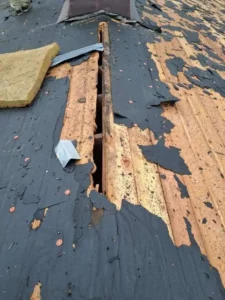
The prolonged exposure to freezing temperatures and moisture during winter can weaken the structural integrity of roofs. This can manifest as cracked or warped shingles deteriorated flashing, or compromised roof decking.

To address structural impacts, conduct a comprehensive roof inspection post-winter. Look for signs of damage such as missing or hail-damaged shingles, water stains on the ceiling, or visible wear and tear. Promptly addressing these issues through repairs or roof replacements can prevent further damage and extend your roof’s lifespan.

Addressing Leaks and Blisters

Roof leaks post-winter are often caused by the expansion and contraction of roofing materials due to temperature fluctuations. This can lead to cracks, gaps, or punctures that allow water infiltration into the roof system.

To tackle leaks and blistering, inspect your roof for water damage indicators like stains on the ceiling or damp spots in the attic. Seal any cracks or gaps with roofing cement or silicone caulk to prevent water penetration. Consider applying a waterproofing membrane or coating for added protection against future leaks.

Tackling Gutter Issues

Gutters play a vital role in directing water away from roofs and foundations. However, they are prone to clogging from debris, ice dams, or snow accumulation during winter, obstructing proper drainage and causing water pooling on the roof.

To address gutter installation complications, start by clearing debris and obstructions from gutters and downspouts. This ensures unimpeded water flow and prevents backups. Installing gutter guards or heating cables can prevent clogs and ice dams, maintaining optimal gutter function.

Ensuring Winter-Resilient Roofs

To prevent common roof problems post-winter, proactive measures are crucial to winter-proof your roof:

  • Conduct regular roof inspections pre- and post-winter.
  • Ensure proper attic insulation and ventilation.
  • Promptly clear snow accumulation.
  • Reinforce roof structures to bear heavy snow loads.
  • Address leaks or damage promptly.

By following these guidelines and investing in routine roof maintenance, you can safeguard your roof’s durability through winter and beyond.

Addressing common roof issues after winter demands vigilance and proactive maintenance. By recognizing potential problems and implementing appropriate measures to mitigate risks, you can shield your roof and prolong its longevity. Remember, a well-maintained roof is vital for ensuring your home’s safety and comfort for years to come.

Read Also,

Water Damage Restoration: Quick Fixes & Long-Term

Roofing Contractor in Carmel IN: The Best Rooftop Solutions

Replace vs Repair a Roof: 7 Things to Consider Before You Decide

FAQs About Common Roof Problems


  1. How do ice dams form, and why are they a concern post-winter?

Ice dams form when melted snow refreezes at the roof’s edge, hindering proper drainage. They are a concern post-winter as they can lead to water seepage under shingles and cause damage to the roof structure.

  1. What steps can I take to prevent ice dams from forming on my roof?

Ensure proper attic insulation and ventilation to maintain a consistent roof temperature. Safely remove snow accumulation using a roof rake to prevent ice dam formation.

  1. Why is it essential to clear excess snow from my roof after a snowstorm?

Clearing excess snow prevents overloading on the roof, which can lead to structural damage like sagging or collapse.

  1. How can I strengthen my roof structure to withstand heavy snow loads?

Consider reinforcing your roof structure or investing in a snow retention system to distribute weight evenly and prevent damage from heavy snowfall.

  1. What are the signs of structural damage to my roof post-winter?

Look for cracked or warped shingles, deteriorated flashing, or compromised roof decking as indicators of structural damage post-winter.

  1. How can I address roof leaks and blistering caused by temperature fluctuations?

Inspect your roof for water damage indicators like stains on the ceiling and seal any cracks or gaps with roofing cement or silicone caulk to prevent water infiltration.

  1. Why are gutters prone to clogging during winter, and how can I prevent it?

Gutters can clog from debris, ice dams, or snow accumulation during winter, obstructing proper drainage. Clear debris from gutters and downspouts and consider installing gutter guards or heating cables.

  1. What are some proactive measures to winter-proof my roof?

Conduct regular roof inspections pre- and post-winter, ensure proper attic insulation and ventilation, promptly clear snow accumulation, reinforce roof structures, and address leaks or damage promptly.

  1. How often should I schedule a roof inspection post-winter?

It is recommended to schedule a comprehensive roof inspection post-winter to assess any damage caused by the harsh weather conditions.

  1. Why is routine maintenance essential for prolonging my roof’s lifespan?

Routine maintenance helps identify and address issues promptly, preventing further damage and extending your roof’s longevity.


About the Author

Picture of Dylan West

Dylan West

Dylan West is a professional associated with Indianapolis Roofing LLC, a locally owned and operated roofing company in Indianapolis, Carmel and other nearby areas. With over 13 years of experience in the industry, Dylan specializes in providing high-quality residential and commercial roofing services. He leads a team of experienced roofing professionals dedicated to delivering top-notch service to clients in the greater Indianapolis area. Dylan's expertise lies in ensuring the highest quality in roofing and home improvement solutions for his clients' needs.

Get A Free Quote

Get updates and learn from the best


More To Explore

Winter Roofing
Uncategorized

Winter Roof Problems in Indianapolis: 7 Issues to Catch Before Spring 2026

February 9, 2026 | Indianapolis Roofing LLC Indianapolis winters can be tough on your roof. Freeze-thaw cycles, heavy snow, ice, and wind create hidden damage that often doesn’t show up until leaks appear in spring. The good news? Catching problems early saves you thousands in repairs — and prevents bigger headaches down the road. At Indianapolis Roofing LLC, we’ve helped hundreds of homeowners in Indianapolis, Carmel, Fishers, Noblesville, Zionsville, and beyond protect their homes through Indiana’s unpredictable weather. Here are the 7 most common winter roof problems we see right now — and exactly what you can do about them. 1. Ice Dams — The #1 Winter Roof Threat in Indianapolis Ice dams form when heat escapes from your attic, melts snow on the roof, and that water refreezes at the colder eaves. The ice blocks drainage, forcing water under shingles and into your home — causing leaks, rot, and mold. Signs to watch for: Long icicles hanging from gutters, ice buildup along roof edges, interior ceiling stains. Prevention tip: Proper attic insulation and ventilation + ice & water shield underlayment during replacement or repair stops most ice dams before they start. 2. Hidden Shingle Damage from Wind and Freeze-Thaw Cycles Winter winds can lift or crack shingles. Then freeze-thaw cycles make small cracks expand, leading to missing granules, curling edges, or full shingle loss. Why it matters in Indy: We see this constantly after January and February storms — especially on south-facing roofs that get the most sun and melt/refreeze. 3. Flashing Problems Around Chimneys, Vents, and Skylights Repeated expansion and contraction in winter loosens or cracks flashing (the metal seals around penetrations). Water sneaks in here first — often before you notice interior damage. Pro tip: We use high-quality, self-adhering membranes and counter-flashing to create watertight seals that last through Indiana winters. 4. Clogged Gutters and Ice-Filled Downspouts Snow and ice block gutters, causing water to back up under shingles. Heavy icicles can even pull gutters away from the fascia. Quick fix: Keep gutters clear before the next storm and consider gutter guards to reduce winter buildup. 5. Heavy Snow Load Stress Big snowfalls add serious weight — especially on older or flat roofs. In extreme cases, this strains rafters or causes sagging. Indianapolis reality: While rare, we’ve seen collapses after unusual 12+ inch accumulations. Regular inspections help spot weak points early. 6. Attic Condensation and Moisture Buildup Poor ventilation lets warm, moist air condense on cold roof decking — leading to mold, wood rot, and weakened structure over time. Best defense: Ensure your attic has adequate soffit and ridge vents. We check this during every free inspection. 7. Early Signs of Hail Damage from Late-Season Storms Even in winter, surprise hail or wind events can hit. Small dents and bruising weaken shingles, making them vulnerable to the next freeze. Why act fast: Insurance often covers hail damage — but only if documented quickly. Our drone inspections catch hidden issues competitors miss. Don’t Wait for Spring Leaks — Get Ahead This Winter Most winter roof damage is preventable or fixable when caught early. A quick inspection now can save you from emergency repairs — or a full replacement — when the weather warms up. Indianapolis Roofing LLC offers: Free roof inspections (including drone technology for hard-to-reach areas) Expert hail & storm damage assessment Insurance claim assistance High-quality repairs and replacements with Owens Corning materials Service across Indianapolis, Carmel, Fishers, Noblesville, Zionsville, Brownsburg, and surrounding areas Protect your home before the next storm hits. Schedule your free winter roof inspection today — no obligation, no pressure. We’re your trusted local roofing partner, and we’re here to help Indianapolis homeowners stay dry all year long. Get Your Free Inspection Now Questions? Reach out — we’re happy to help. #IndianapolisRoofing #WinterRoofCare #IceDamsIndianapolis #RoofRepairIndianapolis #HailDamageRepair

Roof Replacement Indianapolis Carmel and other nearby areas
Uncategorized

Guidelines for Securing Insurance Coverage for Roof Replacement

To secure insurance coverage for roof replacement, document the damage thoroughly and review your policy details. Contact your insurance provider promptly. Roof replacement can be a significant expense for homeowners. Understanding how to navigate insurance claims is crucial for financial relief. Start by thoroughly documenting any roof damage with photos and written descriptions. Review your insurance policy to understand coverage specifics and exclusions. Promptly contact your insurance provider to report the damage and initiate the claims process. Accurate documentation and clear communication with your insurer can increase the likelihood of claim approval. Remember, each insurance policy is different, so knowing your specific coverage is key. This proactive approach ensures you’re well-prepared to secure the necessary funds for your roof replacement. Introduction To Roof Replacement Insurance Roof replacement can be costly, having the right insurance can help. Understanding roof replacement insurance is crucial. It ensures you get the best coverage. Importance Of Coverage Insurance coverage for roof replacement protects your finances. It helps you manage unexpected damages. Without insurance, you may face high costs. Insurance can cover damages from storms, hail, and other events. This coverage ensures your home stays protected. Common Challenges Securing roof replacement insurance comes with challenges. Insurance companies may have strict requirements. Understanding these challenges helps you prepare. High deductible amounts Policy exclusions for certain types of damage Difficulty proving the cause of damage Another challenge is documentation. You must keep detailed records. This includes photos and receipts. Proper documentation helps in claims. Understanding your policy is key. Read it carefully. Know what is covered and what is not. Challenge Solution High Deductibles Shop for better policies Policy Exclusions Understand your policy Proving Damage Keep detailed records Assessing Roof Damage Ensuring your roof is in good condition is vital. Roof damage can lead to significant issues, including leaks and structural damage. Properly assessing roof damage helps in securing insurance coverage. This section guides you through the process. Signs Of Roof Wear Identifying signs of roof wear early can save you money. Look out for the following indicators: Missing shingles: Shingles protect your roof from the elements. Cracked or curled shingles: These can allow water to seep in. Granules in gutters: Shingles lose granules as they age. Water stains on ceilings: Indicates potential leaks. Moss or algae growth: This can trap moisture on your roof. When To Call A Professional Knowing when to call a professional can prevent further damage. Here are situations that warrant professional help: Visible sagging: This indicates structural issues. Severe storm damage: Storms can cause serious roof damage. Extensive water leaks: These can compromise your home’s integrity. Age of the roof: Roofs older than 20 years need regular inspections. Complex damage: Damage that you cannot assess properly. Professionals have the tools and knowledge to assess your roof accurately. They can provide a detailed report for your insurance claim. Understanding Your Policy Securing insurance coverage for roof replacement begins with understanding your policy. This ensures you know what is covered and what is not. Read your policy carefully. Pay attention to specific terms and conditions. Types Of Coverage There are different types of coverage for roof replacement. It is important to know which type you have: Replacement Cost Coverage: This covers the cost of a new roof. It does not deduct for depreciation. Actual Cash Value Coverage: This covers the cost of the roof minus depreciation. The older your roof, the less you get. Extended Replacement Cost Coverage: This covers costs beyond the policy limit. It protects against sudden increases in material costs. Policy Exclusions Understanding policy exclusions is crucial. Not all damages are covered. Common exclusions include: Wear and Tear: Normal aging and deterioration are not covered. Poor Maintenance: If you neglect your roof, the insurance won’t cover the damage. Pre-existing Damage: Damage that existed before you got the policy is excluded. Certain Weather Events: Some policies exclude damage from specific weather events. Check if your policy covers hail or wind damage. Always review your policy documents. Understanding these details helps you avoid surprises. If unsure, contact your insurance agent for clarification. Documenting The Damage Documenting the damage is a critical step in securing insurance coverage for roof replacement. Accurate records can significantly impact your claim’s success. This section covers the essential aspects of documenting the damage. Taking Photos Taking photos is the first step in documenting roof damage. Use a good quality camera to capture clear images. Focus on the affected areas. Take photos of damaged shingles. Include images of water stains inside the house. Photograph any visible structural damage. Ensure photos are well-lit and in focus. Multiple angles provide a better perspective. Writing A Detailed Report Writing a detailed report is crucial. Start with a brief description of the damage. Mention the date and time of the incident. Describe the type of damage observed. Note any immediate repairs made to prevent further damage. Include details about weather conditions during the incident. Use simple and clear language. The report should be easy to understand. Provide as much detail as possible. Accurate information helps in processing your claim faster. Filing An Insurance Claim Filing an insurance claim for roof replacement can feel overwhelming. Follow these steps to ensure a smooth process. This section covers the step-by-step process and required documentation. Step-by-step Process Review Your Policy: Check your insurance policy for coverage details. Document the Damage: Take photos of the roof damage. Contact Your Insurance Company: Call your insurance provider to report the damage. Schedule an Inspection: Arrange for an insurance adjuster to inspect the damage. Get Repair Estimates: Obtain quotes from licensed roofing contractors. Submit Your Claim: Provide all required documents to your insurer. Follow Up: Stay in touch with your insurer for claim status updates. Required Documentation Gathering the right documents is crucial for a successful claim. Below is a list of necessary documentation: Insurance Policy: Your insurance policy document. Photos: Clear pictures of the roof damage. Inspection Report: Report from the insurance adjuster. Repair Estimates: Quotes from roofing contractors. Claim Form:

Do You Want To Repair Your Roof?

drop us a line and keep in touch

Roof replacement Indianapolis IN
Scroll to Top
Seraphinite AcceleratorOptimized by Seraphinite Accelerator
Turns on site high speed to be attractive for people and search engines.