Skip to content
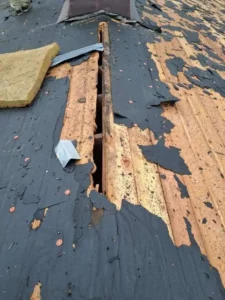
Water damage restoration is the process of repairing and restoring your property after it has experienced water damage. It aims to return the space to its pre-damaged condition.
Experiencing water damage can be highly stressful for homeowners and business owners alike. Whether due to flooding, leaks, or weather events, the repercussions can be severe, potentially leading to structural damage, mold growth, and ruined belongings. Quick and efficient action is critical in minimizing damage and salvaging property.
Professionals specializing in water damage restoration are equipped with the tools and expertise needed to handle the challenges posed by excessive water. They offer comprehensive services, including water removal, drying, dehumidification, disinfection, and repair to flooring, walls, and furniture. Engaging a reliable restoration service promptly can drastically reduce the lasting impact of water damage, ensuring safety and peace of mind for all affected.
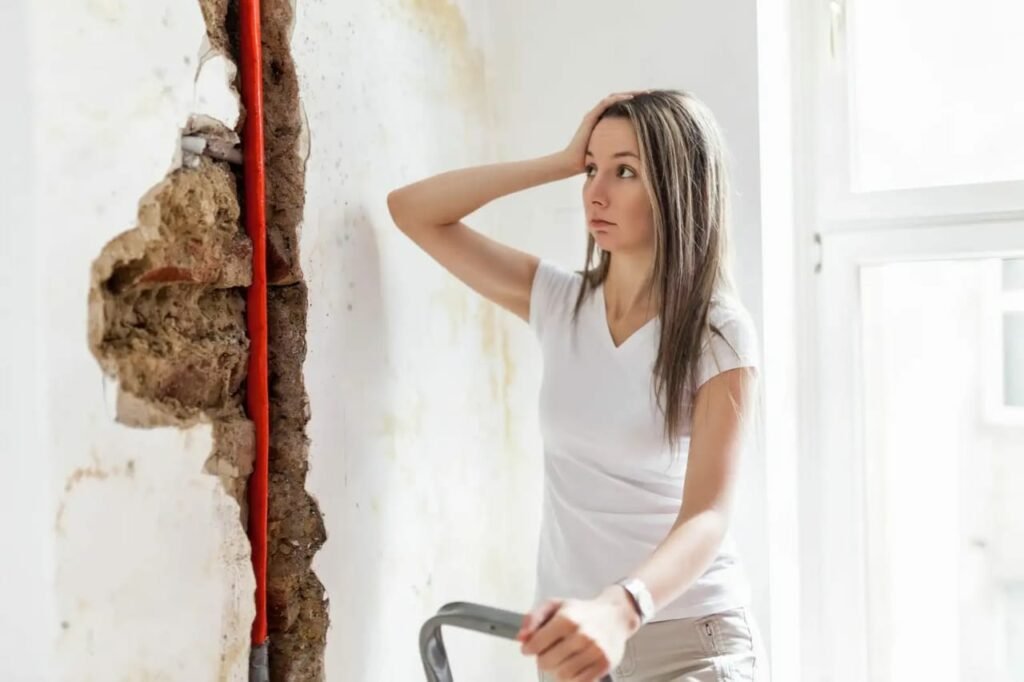
Causes of Water Damage
Water damage can strike your home at any time. Understanding the sources is key to prevention. This section dives into common reasons behind water damage.
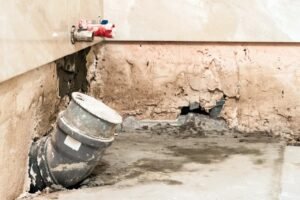
Leaking Pipes
Pipes leak. It’s an issue many face. Over time, plumbing can deteriorate. Joints may weaken, causing sudden or slow leaks. Look out for wet spots on ceilings, walls, or floors.
Severe Weather
Heavy rains, floods, and hurricanes lead to water damage. Be prepared. Create barriers with sandbags and have a sump pump ready.
Appliance Malfunctions
Washing machines, dishwashers, and water heaters can break. Old hoses or failed seals are often the culprits. Regular checks and maintenance can save the day.
| Appliance | Common Issue | Preventative Action |
| Washing Machine | Leaky Hose | Inspect hoses monthly |
| Dishwasher | Worn Gaskets | Check for leaks post-cycle |
| Water Heater | Corrosion | Annual inspection |
- Disconnect hoses when not in use
- Replace washers and gaskets regularly
- Install water detection alarms
Dangers of Water Damage
Water damage presents unexpected risks to your home. It’s essential to know these dangers to protect your property and health.
Structural Damage
Water can weaken buildings dramatically. Constant moisture rots wood, rusts steel, and compromises the integrity of concrete. Immediate action is vital to prevent potential collapse.
- Floors may warp and ceilings could buckle under prolonged exposure.
- Foundations risk serious cracks if water damage persists.
Mold Growth
Mold thrives in damp environments and can appear within 24-48 hours of water exposure.
The presence of mold poses health risks, especially for those with asthma or allergies.
| Area | Risk Level | Action Required |
| Walls/Ceilings | High | Remove wet drywall and insulate areas |
| Furniture/Carpets | Medium | Clean and dry or remove items |
Electrical Hazards
Water and electricity are a dangerous mix. All electrical systems exposed to water require a professional assessment to ensure safety.
- Switch off the power in affected areas to prevent electric shock.
- Inspect wiring, outlets, and appliances for water damage.
Signs of Water Damage
Recognizing the telltale signs of water damage in your home is crucial for quick action. Smaller issues can quickly escalate, leading to costly repairs. Staying vigilant can save time, money, and stress. Spot these common indicators early to keep your home safe and dry.
Water Stains
Water stains often signal trouble. Look up at your ceilings and walls. Do you see any unusual discoloration or rings? These marks might indicate a leaky roof or plumbing.
- Brown or yellow stains are common signs.
- They may appear on ceilings, walls, or floors.
Musty Odors
A musty smell lingering in rooms or basements often points to hidden dampness. Mold and mildew give off distinctive odors when they grow in concealed spots.
Sniff around the house, especially in low-traffic areas. A musty smell indicates moisture issues.
Peeling Paint
Wall paint doesn’t just peel for no reason. Often it’s a clue that water is present. High humidity levels or water within walls cause paint to lose its adhesion.
| Location | Why Paint Peels |
| Near showers or bathtubs | Excess steam and moisture |
| On exterior walls | Possible leaks in siding or roof |
Bubble or blister patterns on paint are red flags for water damage. Checking these areas can help locate the source of excess moisture.
Water Damage Restoration Process
Imagine coming home to a flood of water in your living space. It’s an overwhelming sight, but fear not! A thorough Water Damage Restoration Process can return your home to its former glory. This journey takes us from initial alarm to complete renewal, carefully navigating through each stage to ensure your space isn’t just dried, but also safe and sound for the future. Let’s dive into the systematic approach experts take to tackle water woes effectively.
Assessment And Inspection
The first step is a meticulous Assessment and Inspection of your property. Professionals use advanced tools to find the water source and evaluate the extent of damage. By charting out the affected areas, they craft a strategic plan tailored to your home’s specific needs.
Water Extraction
Post-assessment, it’s time for Water Extraction. Specialists use powerful pumps and vacuums to remove standing water. Speed here is crucial to mitigate further damage and prevent mold growth.
Drying And Dehumidification
Next up, Drying and Dehumidification. The remaining moisture is eliminated using industrial-grade air movers and dehumidifiers. This step is vital for preventing warping, swelling, or creating a habitat for mold and bacteria.
Cleaning And Sanitizing
With the water gone, it’s time for Cleaning and Sanitizing. This phase ensures your home is not just dry but also clean. Specialists use antimicrobial treatments to disinfect and ward off any lingering odors, leaving your space spotless and fresh.
Repairs And Reconstruction
The final phase is Roof Repairs and Reconstruction. This is where the magic happens, restoring your home to its pre-damage condition. Every repaired drywall, repainted wall, and replaced carpet represents a step towards normalcy, solidifying your home’s strength for years to come.
Preventing Water Damage
Water damage or hail damage can be a nightmare for homeowners, causing harm to both the structure of your home and your belongings. Taking proactive steps to prevent water damage is significantly less costly and less stressful than dealing with the aftermath of a water incident. Below are effective strategies to keep your home dry and water damage-free.
Regular Maintenance
Regular upkeep is key to water damage prevention. These tasks include:
- Cleaning gutters and downspouts to ensure proper water flow away from your home.
- Inspecting the roof for missing, damaged, or aged shingles to avoid leaks.
- Sealing cracks in your home’s foundation and exterior walls.
Proper Insulation
To fight against water pipes freezing and bursting, insulate pipes in cold areas, like basements and garages. Check your home’s insulation yearly to avoid any unexpected leaks.
Checking Appliances
Household appliances can be silent culprits of water damage. Periodically verify the following:
- Hoses and fittings on washing machines and dishwashers for signs of wear.
- Water heaters and air conditioners for leaks or corrosion.
- Refrigerators, especially if they have ice makers or water dispensers.
Monitoring Humidity Levels
Keeping indoor humidity low prevents condensation and mold. Use dehumidifiers and ventilate areas of high moisture, such as bathrooms and kitchens. Utilize air conditioners during hot, humid seasons to help control water vapor indoors.
Choosing A Water Damage Restoration Company
Dealing with water damage can be stressful. You need a reliable water damage company to restore your property. Here are important factors to consider:
Certifications And Licenses
Trust a certified company to handle your water damage restoration. Certifications prove a company meets industry standards. They should show licenses from recognized bodies. Examples include the Institute of Roof Inspection, Cleaning and Restoration Certification (IICRC) and local government permits. Check their credentials before hiring.
Experience And Expertise
Experience matters in water damage restoration. A company with years of service likely provides quality work. They know how to tackle different situations. Ask about their staff’s expertise. Skilled professionals can better restore your property.
Availability And Response Time
Water damage needs fast action. Choose a company with 24/7 availability. A quick response can limit damage and save costs. Ask about their estimated arrival time after you call.
Customer Reviews And Ratings
Reviews give insight into a company’s service. Look for high ratings and positive feedback. Focus on reviews about their efficiency and customer care. Sites like Google and Yelp provide customer experiences. High satisfaction ratings suggest a trustworthy company.
Insurance Coverage For Water Damage
Water damage can turn a home upside down. It is crucial to understand your safety net: insurance coverage for water damage. This coverage can provide peace of mind and financial assistance. Yet, navigating the waters of insurance policies and claims can be tricky.
Understanding Policy Coverage
Not all water damage scenarios are equal in the eyes of an insurance policy. Typically, a standard homeowner’s insurance policy covers water damage that is sudden and accidental. Examples include burst pipes or a washing machine overflow. However, damage due to lack of maintenance or flooding often requires additional coverage.
Read your policy’s declarations page to verify coverage limits. Some policies may offer coverage for mold or water backup but with restrictions. If not, consider additional coverage.
Filing A Claim
Act quickly with water damage claims. First, notify your insurance company immediately. They will guide you on the next steps and how to proceed with a claim.
- Gather evidence: Take photos or video of the affected area.
- Contact restoration professionals: They can start the cleanup process.
- Keep receipts: Document all expenses related to the damage and repairs.
Compliance with your policy is essential. Follow the insurer’s instructions to ensure coverage.
Documenting The Damage
Precise documentation of water damage is critical for claim success. Create a comprehensive list of damaged items. Include the make, model, and serial numbers if available.
| Item | Description | Condition |
| Laptop | Dell Inspiron 15 | Water-damaged screen |
| Carpet | Shag, beige | Saturated, needs replacement |
Pair this list with visual evidence such as photos or videos. This solidifies your case for the insurance claim process.
DIY Water Damage Restoration
Experiencing water damage can be incredibly stressful. Yet, taking immediate action is crucial. Armed with the right knowledge and tools, tackling water damage restoration as a DIY project is possible. This guide will cover essential safety precautions, water removal tips, drying techniques, and mold prevention strategies.
Safety Precautions
Before starting your DIY project, your safety comes first. Ensuring you wear protective gear is crucial to prevent injuries or health risks. Always wear gloves, goggles, and a face mask to protect against contaminants in the water.
- Turn off the electricity to avoid electric shocks.
- Inspect the area for structural damage that may cause accidents.
- Do not use regular household vacuums to remove water.
Water Removal Tips
Effective water extraction is critical to minimize damage. Follow these steps:
- Use a sump pump or wet-dry vacuum designed for water removal.
- Mop up the remaining water or use towels on surfaces.
- Clean drains and gutters to prevent future issues.
Drying Techniques
Drying out the affected area promptly prevents further damage. Open windows and doors to allow air circulation. Run dehumidifiers and fans to accelerate the drying process.
| Tool | Function |
| Dehumidifiers | Reduces humidity levels. |
| Fans | Improves air circulation. |
Mold Prevention
Addressing mold growth is a top priority. After drying the area, clean and disinfect all surfaces. Maintain low humidity and ensure proper ventilation to keep mold at bay.
- Clean with mold-resistant cleaners.
- Check for mold in hidden areas like under carpets.
- Replace materials that are too damaged to clean.
Common Misconceptions About Water Damage Restoration
When it comes to water damage restoration, people often have misconceptions. It’s crucial to dispel these myths for effective restoration. Here, we shine a light on the most common misunderstandings homeowners face.
Water Damage Will Dry On Its Own
Believing water damage fixes itself is a dangerous myth. Materials like drywall and carpet may harbor moisture. This hidden moisture invites mold and structural damage.
- Mold grows within 24-48 hours in damp areas.
- Structural damage worsens if not addressed promptly.
Insurance Will Cover All Costs
Many assume their insurance policy will cover all repair costs. This is not always true. Policies differ and often have limits.
| Policy Type | Coverage |
| Standard Homeowner’s | Covers specific water damage |
| Flood Insurance | Needed for natural flood coverage |
Reading your policy carefully is essential.
Removing Visible Water Is Enough
Clearing standing water is just the beginning. Dampness often goes unseen, lurking behind walls or under floors.
- Professional teams search these hidden areas.
- They use specialized equipment to fully dry and restore.
Full restoration extends beyond what the eye sees.
Effects Of Untreated Water Damage
Water damage can sneak up on you if not treated right away. It’s like a silent bug that eats away at your home. Not fixing it fast can lead to nasty problems. This post covers what happens if water damage stays untreated. Let’s dive in.
Compromised Structural Integrity
Unchecked water damage is bad news for any home. The wood gets weak and might bend or break. Floors might sag, and walls could crack. It’s not just about looks. Your safe place could become risky. Imagine your house like a Lego castle. When one piece gets loose, the whole thing might tumble down.
- Wood Rot: The wooden parts of the house soak up water,
become soft, and decay over time. - Rust: Metal beams and screws can rust,
making them less sturdy. - Concrete Damage: Water can make concrete brittle,
leading to cracks and weaknesses.
Health Risks
Water damage can not only harm your house but also your health. Damp areas attract mold and bugs. Breathing it in is not good for you. Think of mold as tiny invaders attacking your health. They can make you cough or even sicker.
| Health Threat | Common Issues |
| Mold | Allergies, Asthma attacks, Respiratory problems |
| Bugs | Disease spread, Bites, Infections |
Decreased Property Value
Ignoring water damage can shrink your wallet when it’s time to sell. Buyers spot water damage and either run away or offer less cash. It’s like trying to sell a bike with a bent wheel. Nobody wants to pay full price for damaged goods.
- Buyers Fear Hidden Issues: They worry about the problems they can’t see.
- Inspection Failures: A bad report can stop a sale in its tracks.
- Reduced Market Appeal: Fewer people will want a water-damaged home.
Water Damage Restoration In Commercial Buildings
Water damage in a commercial setting not only disrupts operations but can also lead to substantial financial loss. The restoration process in these environments presents unique challenges and requires specific strategies for effective management and swift recovery.
Challenges Faced In Commercial Settings
Commercial buildings often have larger spaces and complex structures which affect the water damage restoration process. Here’s what professionals contend with:
- Size and Scope: Large floor plans require more resources and manpower.
- Diverse Uses: Different areas like warehouses, offices, and showrooms each have specific needs.
- Operational Losses: Each day of downtime translates to financial hits.
- Health and Safety: Restoration must ensure a safe environment for employees and customers.
Specialized Equipment And Techniques
Professionals deploy an armory of specialized tools and techniques to tackle commercial water damage. Key equipment includes:
| Equipment | Use |
| High-Volume Extractors | Remove large amounts of water quickly |
| Industrial Dehumidifiers | Reduce moisture levels |
| Air Movers | Accelerate the drying process |
| HEPA Air Scrubbers | Clean the air of contaminants |
Techniques such as thermal imaging help identify hidden moisture, while antimicrobial treatments prevent mold growth.
The Role Of Professionals In Water Damage Restoration
Water damage in your home or business can be overwhelming. Quick and effective action is crucial. This is where professionals come in. They manage the restoration process. Their expertise, equipment, and experience make a significant difference in mitigating damages. Professionals step in to restore your property to its pre-damaged state.
Expertise In Water Damage Assessment
Understanding the severity of water damage is the first step. Professionals conduct a detailed assessment. They identify the source and type of water involved. This includes categorizing water as clean, gray, or black. Each category requires a different approach. The assessment results in a tailored action plan. This ensures that all areas affected by water are addressed properly.
Efficient Water Extraction And Drying
After assessment, the removal of standing water begins swiftly. High-powered vacuums and pumps are used. They remove water quickly and efficiently. Next, drying and dehumidification start. This protects the structure from further damage. Industrial-grade air movers and dehumidifiers are crucial in this step. They prevent the warping and swelling of walls, floors, and furniture.
Prevention Of Mold And Mildew
Water damage can lead to mold and mildew. These can harm your health and the structure. Experts go beyond fixing the visible damage. Their goal is to safeguard your health. They use antimicrobial treatments to prevent mold growth. Regular monitoring ensures the environment stays clean and safe. Professionals are pivotal in keeping the space habitable.
Frequently Asked Questions On Water Damage Restoration
How Do You Recover From Water Damage?
Stop the water source immediately and turn off the electricity. Remove excess water using mops or a wet vacuum. Dry affected areas using fans and dehumidifiers. Clean and sanitize to prevent mold. Consult professionals for extensive damage.
Can Water Damage Be Fixed In House?
Yes, water damage can be repaired in a house. Early detection and professional restoration services are crucial for effective repairs.
How Long Does It Take To Get Rid Of Water Damage?
The duration to resolve water damage ranges from 72 hours to several weeks, depending on the severity and restoration processes used.
Why Is Water Damage So Expensive?
Water damage is costly due to extensive repairs, mold remediation, and potential structural damage. Also, specialized equipment and professionals are often required to restore the property effectively.
What Causes Water Damage In Homes?
Water damage is usually caused by flooding, leaks, burst pipes, and extreme weather outbreaks that allow excess moisture intrusion.
How Quickly Should Water Damage Be Addressed?
Immediate action is crucial; ideally, water damage should be addressed within 24 to 48 hours to prevent mold growth and further damage.
What Are Signs Of Water Damage?
Signs include water stains, musty odors, peeling paint, warped floors, and increased utility bills from unseen leaking pipes.
Can Water Damage Be Prevented?
Regular maintenance of plumbing systems, roof inspections, and proper sealing can minimize the risk of water damage in homes.
What Is Involved In Water Restoration?
The process includes water removal, drying, dehumidification, sanitizing, and restoration of affected surfaces and materials to their pre-damage condition.
Is Mold A Risk With Water Damage?
Yes, mold thrives in moist environments, making it a common problem when water damage occurs and is not promptly addressed.
Conclusion
To wrap up, water damage restoration is vital to safeguarding your home and health. Prompt action and expert help can prevent further loss and expense. Remember, restoring your property quickly is not just a necessity—it’s peace of mind. Trust the professionals to bring your space back to life after an unexpected water incident.